
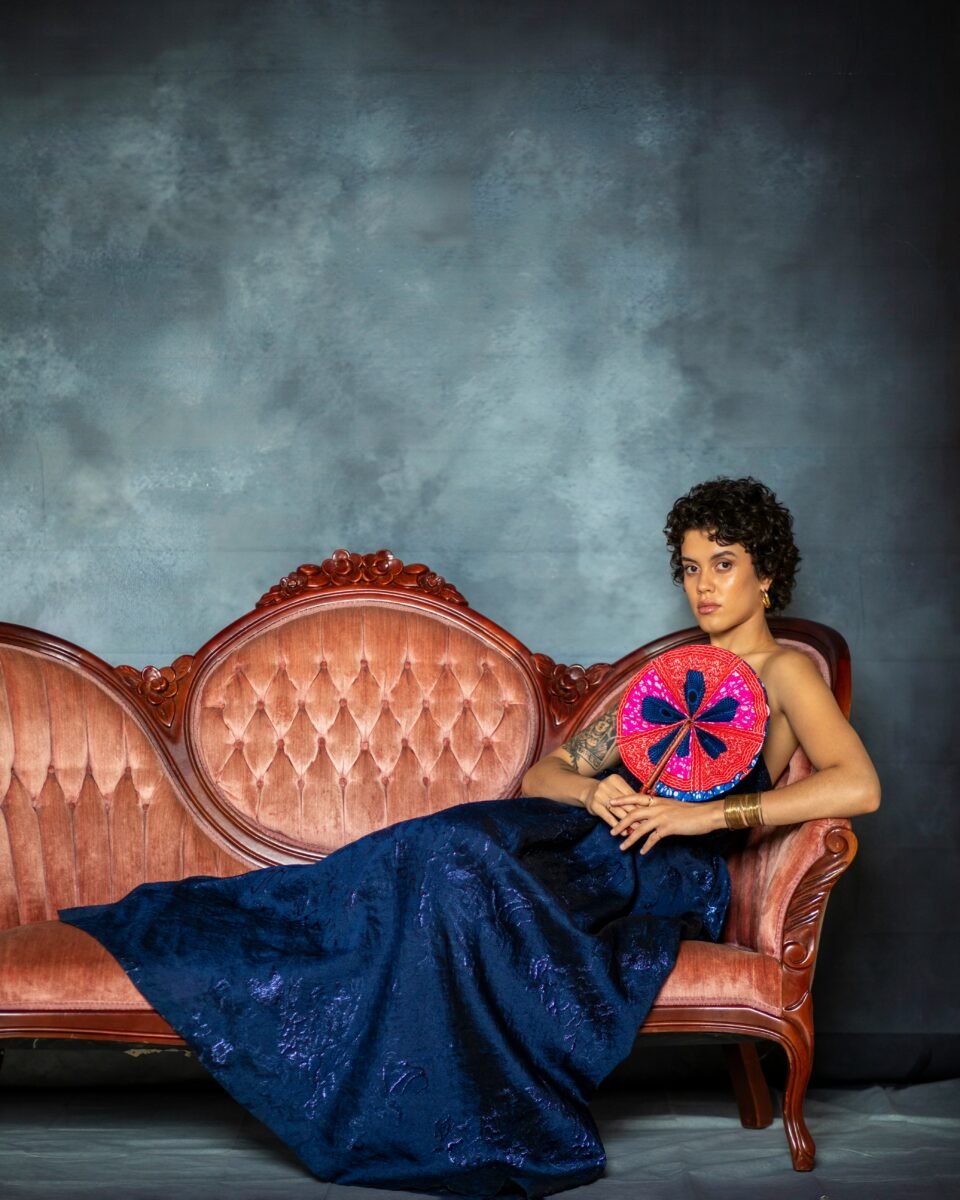
The Ultimate Guide to Choosing the Right Muslin Studio Backdrop
For portrait photographers, the muslin studio backdrop remains the gold standard for creating depth, texture, and a professional aesthetic. Whether you are building a permanent studio or a portable kit, selecting the right studio backcloth is a balance of technical specifications and creative vision.
As part of maintaining a premium digital presence for professional backdrop suppliers, it is essential to understand the nuances that separate an “off-the-shelf” cloth from a professional photography backdrop.
1. Understanding Fabric Weight: The GSM Breakdown
The most critical factor in the longevity and “hang” of your backdrop is the GSM (Grams per Square Meter). This measurement dictates the thickness and opacity of the canvas.
- 165 GSM (Lightweight): Ideal for photographers who prioritize portability. These backdrops are easy to fold and transport for on-location shoots but may require more careful lighting to prevent “show-through” from background elements.
- 185 GSM (Standard Professional): This is the versatile “sweet spot.” It offers enough weight to hang gracefully with minimal wrinkles while remaining manageable for a single person to set up on a standard support system.
- 250 GSM (Heavyweight/Premium): This grade feels more like a traditional artist’s canvas. It is highly opaque, exceptionally durable, and provides a rich, tactile texture that absorbs light beautifully—perfect for high-end editorial and fine-art portraiture.
2. Choosing the Right Color for Portraiture
Color selection is more than just a personal preference; it is a functional choice that affects your post-processing workflow.
- Neutral Greys & Earth Tones: These are the workhorses of the studio. A mid-grey muslin studio backdrop can be lit to look white, black, or any shade in between, making it the most cost-effective choice for beginners.
- Deep Mottled Textures: For a “Old Masters” painterly look, choose hand-painted or dyed muslins with subtle color variations. These add instant depth to a headshot without the need for complex digital overlays.
- High-Contrast Solids: While bold colors are great for fashion, remember that they can cause “color spill” onto your subject’s skin. Ensure you have enough studio space to move your subject away from the cloth to minimize this effect.
3. Backdrop Sizing: Which Dimensions Do You Need?
Sizing is often where photographers make the mistake of going too small. Here is a quick reference guide:
| Photography Type | Recommended Size | Why? |
| Headshots | 5′ × 7′ or 6′ × 9′ | Compact and easy to swap in small spaces. |
| Full-Length Portraits | 10′ × 12′ | Provides enough width for a single subject and enough floor “sweep.” |
| Groups / Families | 10′ × 20′ | Essential for groups of 3 or more to ensure the edges of the cloth aren’t visible in the frame. |
Pro Tip: Always account for the “sweep.” If you want your subject to stand on the backdrop, you need at least 8 to 10 feet of length just for the floor portion to ensure a seamless transition from background to foreground.
Final Thoughts
Investing in a professional photography backdrop is an investment in your brand’s visual consistency. By selecting the correct GSM—whether it’s the portable 165 or the artisanal 250—and pairing it with the right dimensions, you ensure that your setup is as functional as it is beautiful.
Whether you are streamlining categories for a photography supplier or setting up your own space, the right muslin is the foundation of every great shot.
